Safavid Isfahan

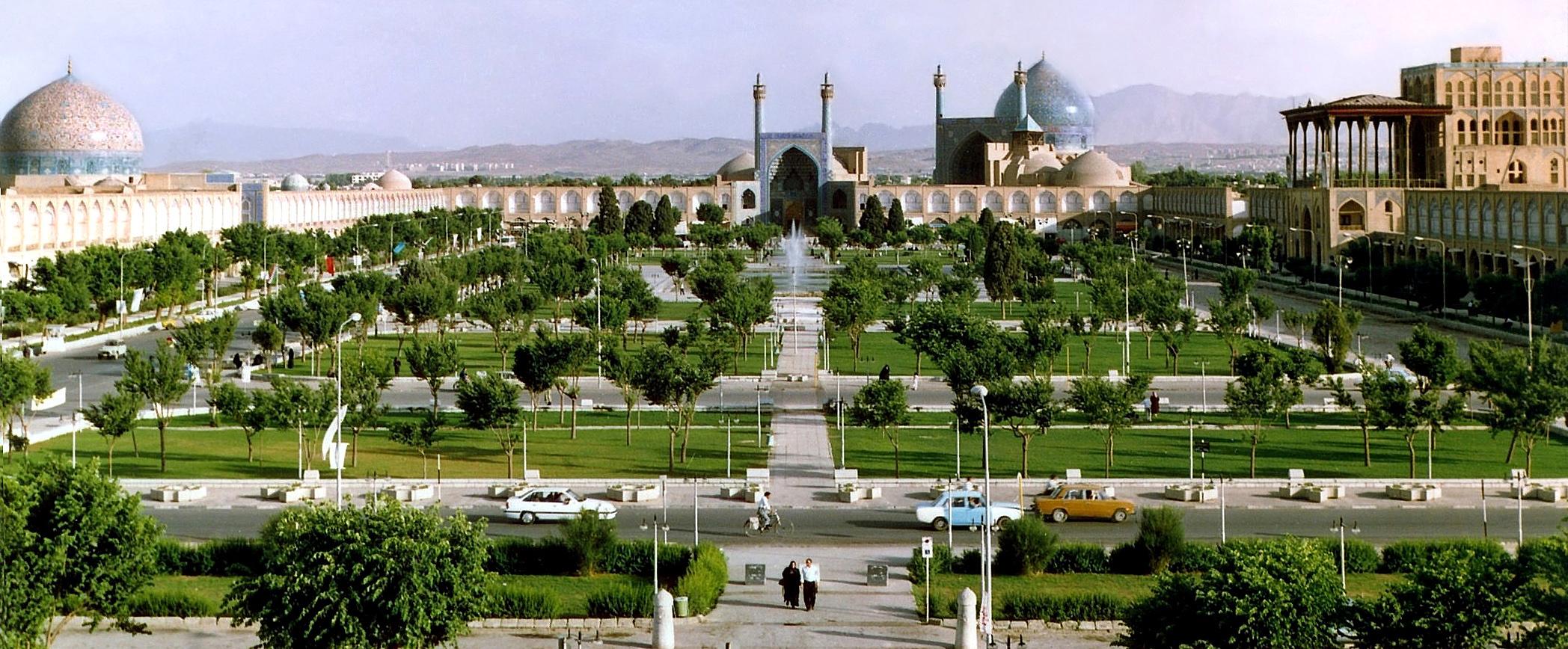
Lots of the work on Safavid Isfahan sees it as it is now – and not as the work-in-progress that many of the Isfahanis, and the European travellers, saw when they visited thoughout the seventeenth century. This is surely wrong! This section aims to bring out some of this – focusing especially on some less …
See more

Sixteenth century painters

It’s easy to look at the beauty or historic importance of paintings – but it’s rare to find out about the men (it’s usually men) doing the painting. This week, two treats which give more than a glimpse into the craft of painters in the sixteenth century. First, Fiona McLees. Her blog article on her …

See more

Referencing familiar places: the London Royal Exchange

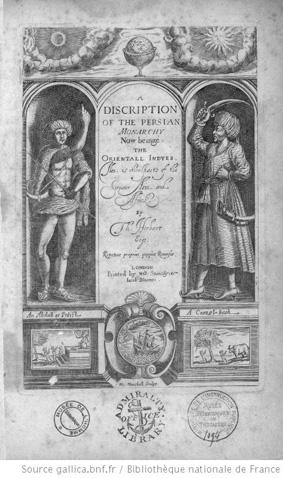
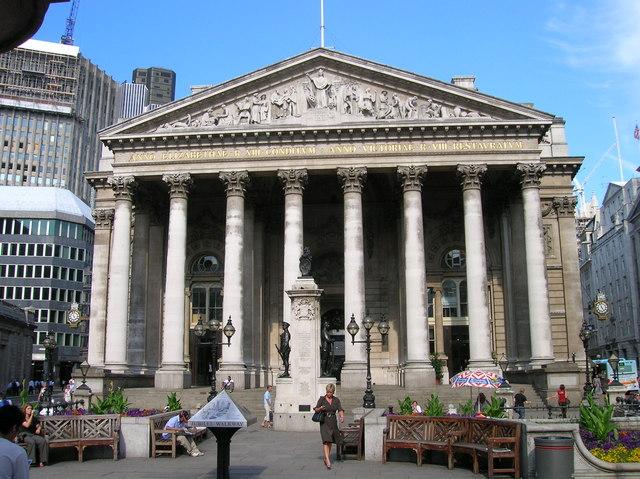
One of the ways that Herbert made his observations intelligible – and appropriately splendid – was by comparing the locales he visited in Persia with places that were already known to his audience. Persian authors did this too: Natanzi, for example, declared the 1590 Isfahani qaysariya “like one that was [once] in Tabriz”[1]. While Persians …

See more

Herbert: erudition or marketing?

Herbert’s later editions had lots of ‘scholarly’ additions (as well as the occasional poem). Following on what he described as his “poore [sic] reading”[1] Herbert started referencing other – and especially classical – authors[2]. This approach was shared by many Europeans: Pietro della Valle, for example, did the same. Although this has been described as …

See more

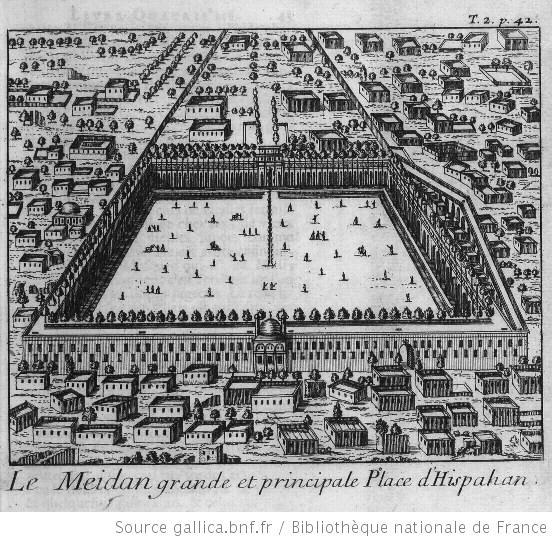
Other European authors focus on regularity and massive scale of the maydan

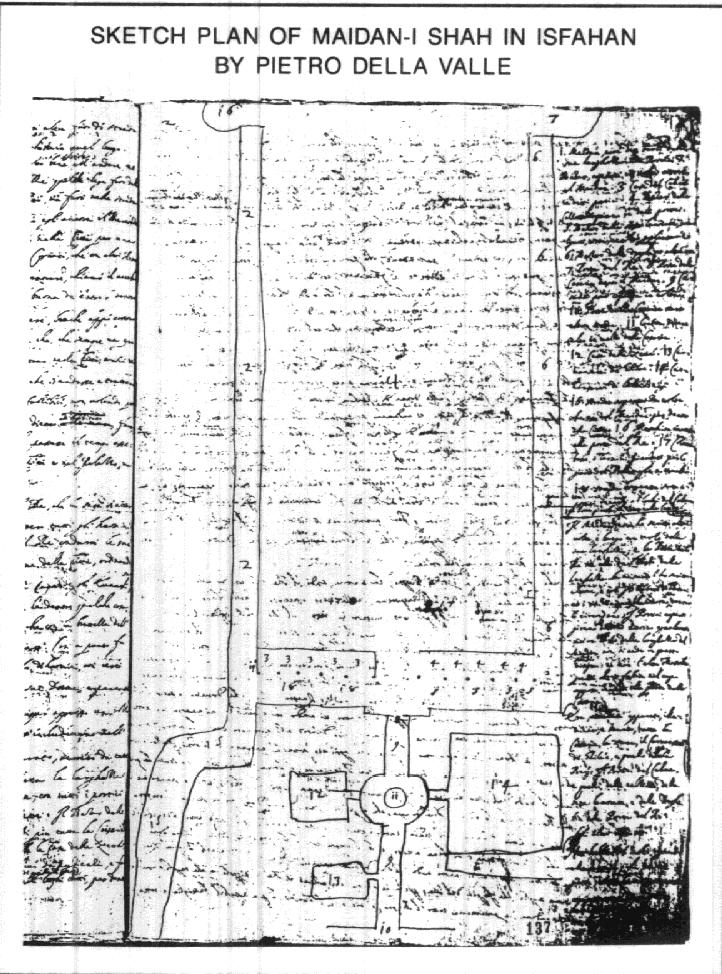
The “massive scale and orderly disposition” that Babaie has suggested was important to the Persians[1] is focused on much more explicitly in later-published Western accounts – perhaps linked to the rise in Europe of Palladianism. Della Valle, for example, wrote of the “porticos” around the maydan being: “the most beautiful, the most equal, and of the …

See more

Herbert on the scale of the maydan

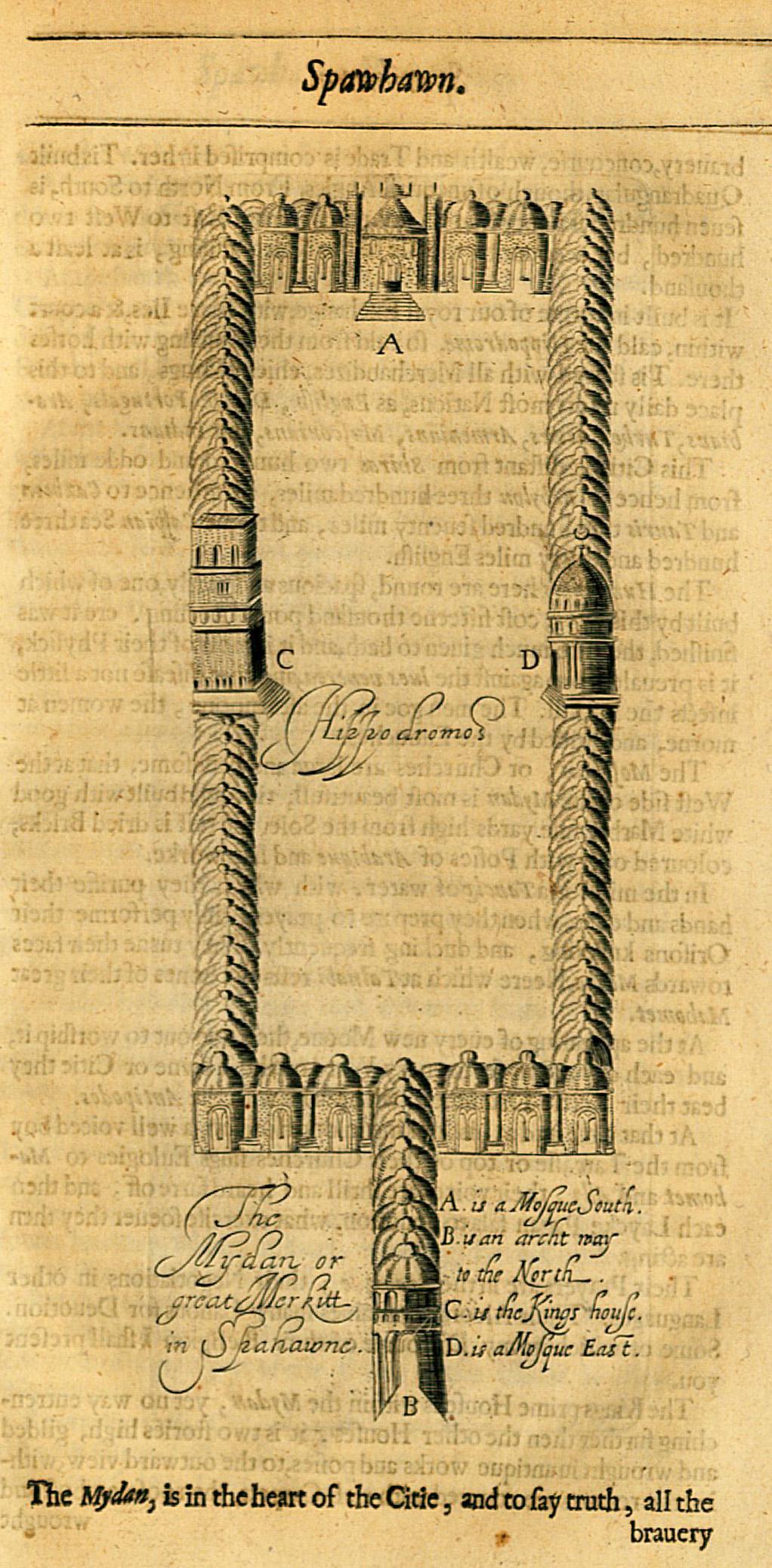
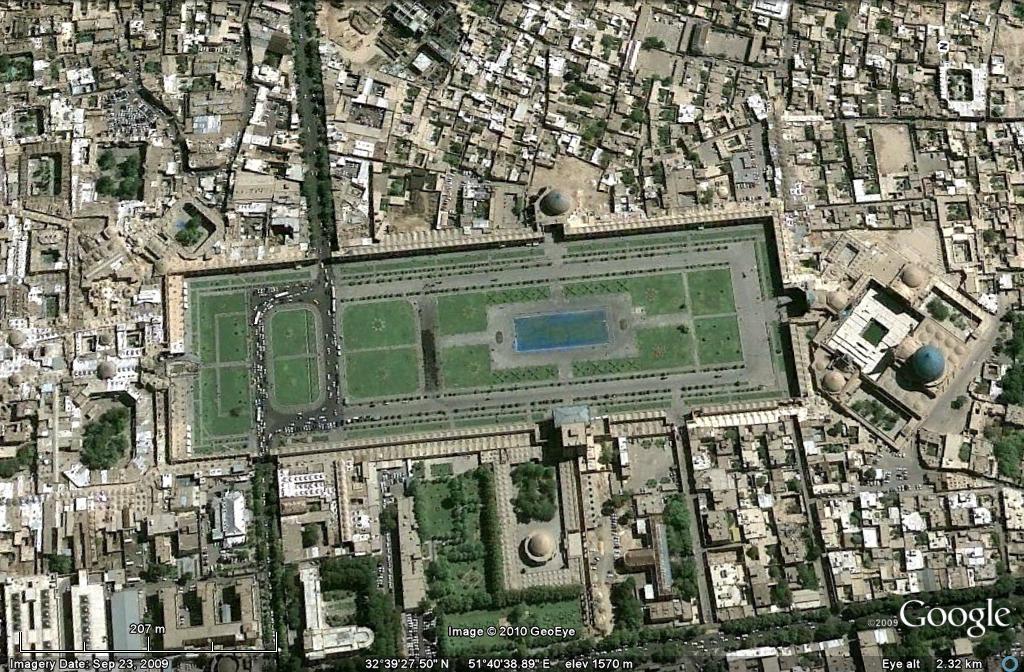
In Herbert’s later editions the maydan seems to have grown, being described as: “a thousand paces from North to South, and from East to West above two hundred”[1]. Herbert was not the only traveller who struggled to measure the maydan. I had already myself noticed how wildly different all the measurements were, when I came …

See more

Herbert and the maydan

Herbert visited Isfahan for “above twentie days, and no time idle” in 1627[1]. In each of his published editions the maydan was a high point: in 1634, the “chiefe ornament of the Citie… and to say truth, all the bravery, concourse, wealth and Trade is comprised in her”[2]; and from 1638, “without doubt as spacious, …

See more